August 5, 2026
If you tow with an Electric-Over-Hydraulic (EOH) trailer, you've probably faced the question in your truck's brake controller menu: "Electric" or "EOH"? It looks like a minor toggle. It isn't. Get it wrong, and you're not just leaving performance on the table; you're accelerating wear on your actuator. At Deutsche Hydrapro, we get asked about this setting constantly, so let's break down what's actually happening inside that controller, and why the two modes are not interchangeable. Every modern brake controller, whether factory-integrated or aftermarket, sends the same basic type of signal down the trailer brake line: a PWM (pulse-width-modulated) DC signal. The duty cycle scales with commanded braking effort. At full gain, the signal sits near battery voltage almost the entire time. Ease off, and each pulse's on-time shortens, lowering the average voltage. That mechanism is identical whether you're set to Electric or EOH. So if the signal type isn't the difference, what is? The distinction between the two modes comes down to the force curve: how the controller maps commanded voltage to actual braking force. Electric drum brakes and EOH systems respond to that voltage in completely different ways, so the controller has to speak two different "languages." Electric drum brakes use electromagnets at the wheel. Apply voltage, and the magnet grabs the drum almost instantly; engagement is nearly immediate, and force tracks the signal in a fairly direct, linear way. The catch is range: total force is capped by what the magnet can hold, and that ceiling drops further as the system heats up. EOH trailers skip the wheel-end magnets entirely. Instead, the signal drives a small actuator on the trailer that converts it into hydraulic pressure, which then actuates disc (or drum) brakes. Two consequences follow: Because EOH must spread its output across such a wide pressure range, there's a deadband at the bottom, typically below a few hundred psi. Here's why: in a common actuator design, the motor is essentially bang-bang - full speed when generating pressure, off otherwise - while a solenoid in a hydraulic feedback loop regulates actual pressure. At low single-digit voltages, the motor is spinning, but the solenoid is barely closed, so nothing accumulates. Below that threshold, you get a signal with no meaningful braking. An electric-mode calibration has no reason to account for that floor. That's a core reason the two settings can't simply be swapped. You'll sometimes hear that a controller can energize the actuator early, getting the pump spinning and pressure building before the actual stop. That's only possible if the controller can anticipate a brake event. A purely reactive controller can't do this; it only responds once you're already braking. A factory controller wired into forward-collision sensors and other driver inputs could, in principle, pre-stage the system. But it's not safe to assume this is standard across the industry; most controllers on the road today are reactive only. Running an EOH actuator on the Electric setting doesn't necessarily mean a flat loss of power; it's a mapping problem. Electric mode applies an output curve calibrated for an electromagnet: instant grab, fairly linear, lower force ceiling. Point that curve at an EOH actuator, and commanded braking drifts away from delivered braking. The net effect is degraded fidelity, particularly a mushy low end, rather than a guaranteed loss of stopping power across the board. This one applies regardless of how the curves compare. Trucks routinely check whether they're towing with electric brakes by pulsing the brake line and measuring inductance/load to detect a magnet. On an EOH trailer, there's no magnet to find, but that probe still energizes the actuator's relay during every cycle. Over time, that repeated cycling wears the relay contacts. Leaving an EOH trailer set to Electric isn't just a performance mismatch; it actively shortens your actuator's service life. Exact curves and deadband thresholds are manufacturer- and generation-specific. The principles above hold across the industry, but the magnitude of the difference varies by controller and actuator make and model. On some combinations, the electric-vs-EOH curve mismatch is small enough that a driver won't notice much day to day. On others, it's the difference between confident stops and a spongy pedal feel at the trailer. The PWM signal is the same. The mapping behind it isn't. If you're running an EOH trailer, setting your controller to EOH ensures the voltage curve accounts for the actuator's deadband, pressure range, and mechanical lag, protecting both your stopping performance and your hardware. Not sure which setting fits your setup, or want an actuator built for consistent, predictable force delivery across the full pressure range? Talk to the team at Deutsche Hydrapro; we design our EOH systems around exactly these dynamics, so your braking performance matches what your controller commands.The Signal Itself Doesn't Change
The Real Difference: The Force Curve
Electric Drum Brakes
EOH Systems
Why That Wide Range Creates a Deadband
A Note on Pre-Staging
Why the Setting Matters in Practice
Cost #1: Reduced Braking Performance
Cost #2: Accelerated Wear
One Caveat
The Takeaway
Electric vs. EOH on Factory Brake Controllers: What Actually Changes
Read More
How Does Electric Over Hydraulic Braking Work in Trailer Systems?
Read More
Stoll Trailers: Built for the Long Haul, Powered by Precision Braking
Read More
Industry-Leading Electric-Over-Hydraulic Braking for High-Value Loads
Read More
Advancing Electric-Over-Hydraulic Braking Technology: Deutsche Hydrapro’s Innovative Partnership with Aston Dynamics and the U of T Formula Racing Team
Read More
What do CAM Adapters do?
Read More
Three Years of Confidence: Deutsche Hydrapro Extends Product Warranty
Read More
MAXX-D Trailers: Built on Grit and Determination — Backed by Deutsche Hydrapro Performance
Read More
Pushing Performance: Deutsche Hydrapro’s Texas Testing with our engineering team
Read More
Why Diamond C Trailers Is a Leader in the Industry
Read More
Upgrade Your Trailer Braking: Hydrapro Alpha G-1200 Actuator
Read More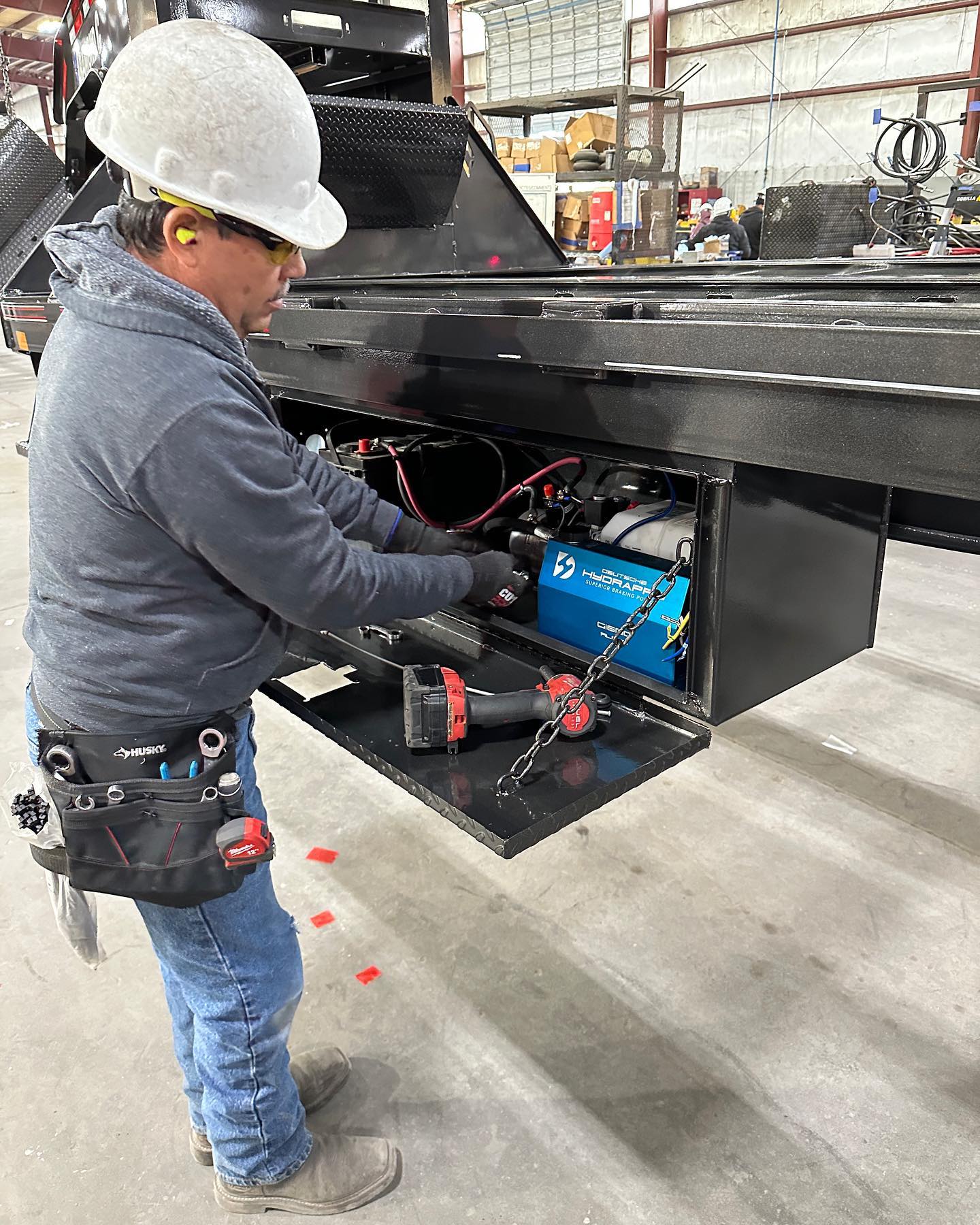
Trailer Repair Warranty Rights: Magnuson-Moss Warranty Act
Read More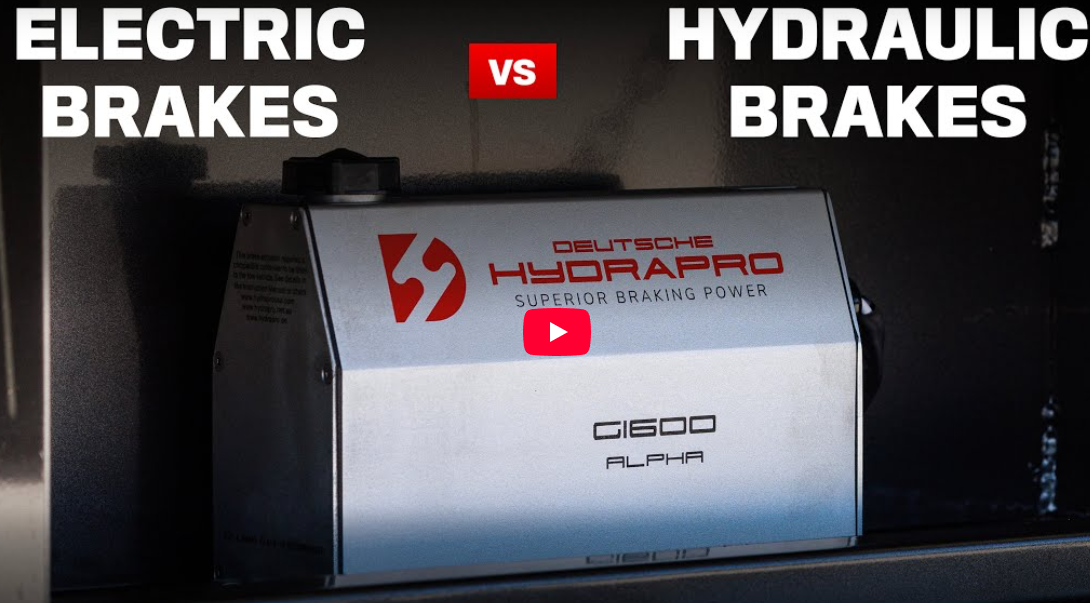
Electric Brakes vs Hydraulic Brakes-Which Are Best For You?
Read More
How to Bleed Your Hydraulic Brake System: A Step-by-Step Guide
Read More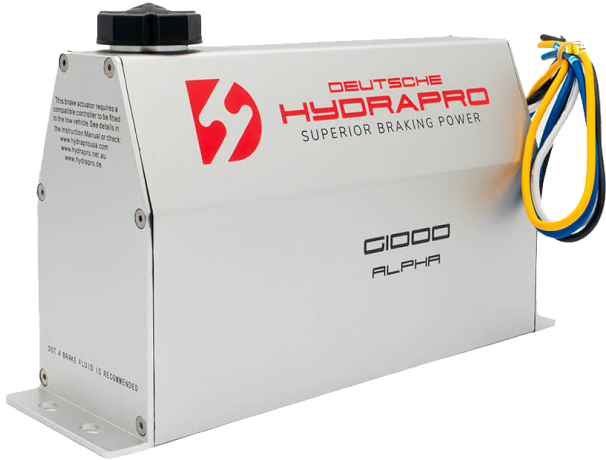
What are electric over hydraulic brake actuators?
Read MoreContact Details
Feel free to contact us by phone, email or via contact us form.

445 E FM 1382, Suite 3672 Cedar Hill, TX 75104

Business Hours
Monday - Friday: 8:30am - 5:30pm PST
Saturday & Sunday: Closed
Resources
Wiring DiagramProduct ManualWarrantyTroubleshooting GuideVoltage/PSI Drop CalculatorFAQ'sLocate A DealerBecome A DealerMAP PolicyEOH MaintenanceDOT letter for EOH



© Copyright 2026, Deutsche Hydrapro LLC


